Software Testing and QA Services in India Manual, automated and performance testing so every release goes out already proven
Manual testing, automated regression suites, performance profiling, and security assessment — quality assurance that protects your reputation and prevents costly production failures.
What you get, and what changes
Testing here means a release goes out already proven. Automated regression suites run on every commit, so the feature that worked last month still works after this month's change, which is where most production incidents actually come from. On top of that sits exploratory testing by a person who is trying to break things, load testing against the traffic you expect on your busiest day, and a security pass against the OWASP list. You get the test suite itself and not just a report, so your team keeps the safety net after we leave. The goal is not to find more defects. It is to make releasing boring.
Our Software Testing Services
Human-driven discovery of bugs automation misses
Expert exploratory testing, user experience evaluation, and complex scenario validation by experienced QA engineers. We think like users — exploring edge cases, testing unusual workflows, and finding bugs that automated scripts would miss. Every bug report includes steps to reproduce, severity classification, and screenshots.
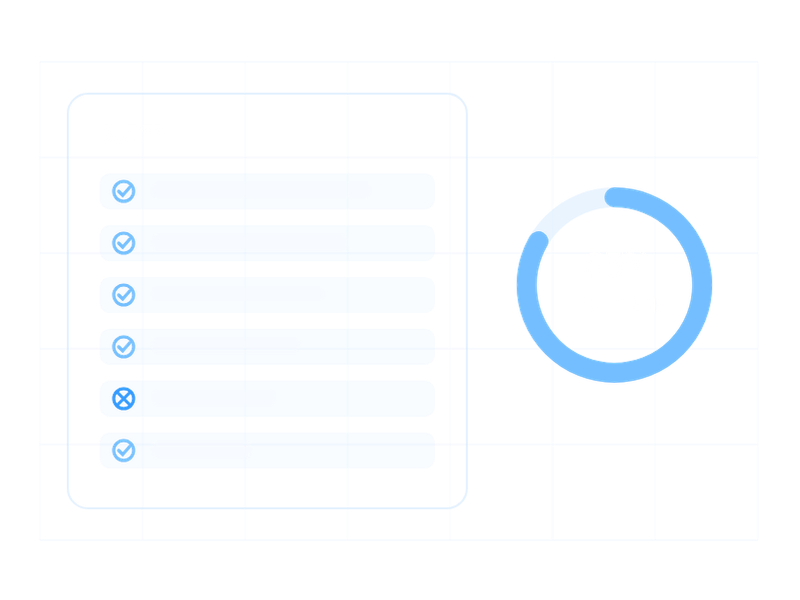
Regression suites that run on every push
Automated test suites using Selenium, Cypress, Playwright, and Appium that run on every code push. UI automation, API testing, database validation, and end-to-end workflow testing — all integrated into your CI/CD pipeline. Reduces regression testing time by 70-80%.
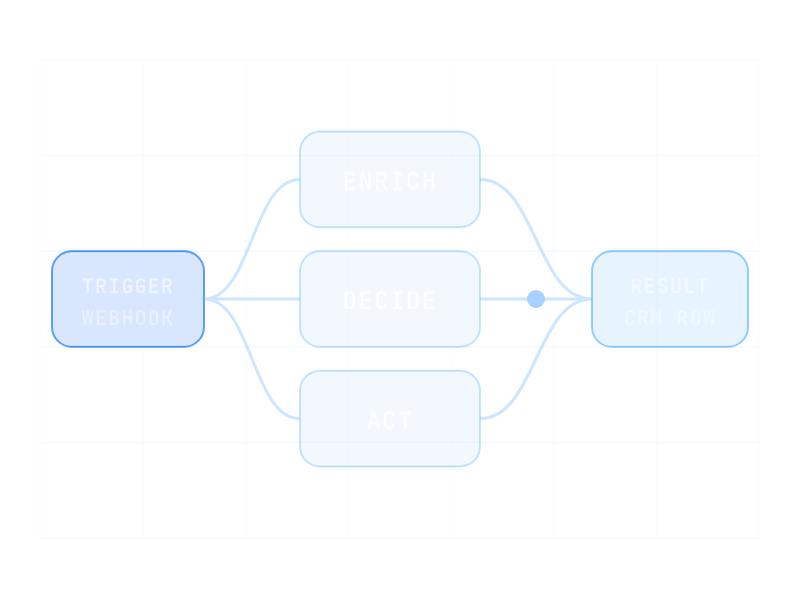
Find bottlenecks before users find downtime
Load testing, stress testing, and performance profiling using JMeter, K6, and Gatling. We simulate real-world conditions: concurrent users, peak traffic, and stress beyond limits. Identify slow queries, memory leaks, and server issues — with actionable recommendations.
OWASP-aligned vulnerability assessment
Comprehensive security testing covering OWASP Top 10: SQL injection, XSS, broken authentication, insecure API endpoints, and sensitive data exposure. Using OWASP ZAP, Burp Suite, and custom scripts with detailed remediation guidance and code-level fixes.

Old features stay working after every change
Automated regression suites that catch breaking changes and ensure old features continue working. Integrated into CI/CD pipelines, these tests run on every commit and flag regressions within minutes — not days.
Real devices, real conditions, real confidence
Cross-platform mobile testing on real devices covering iOS, Android, and responsive web applications. Multiple screen sizes, OS versions, and network conditions. Using Appium, XCTest, Espresso, and BrowserStack for comprehensive device coverage.
QA That Prevents Failures
Bugs that matter, not noise
We prioritize by business impact — critical bugs that would cause production failures, security breaches, or data loss. Not cosmetic issues that waste developer time.
Plugs into your workflow
We use your tools, your CI/CD pipeline, your project management system. No disruption to your development process — just better quality output.
Reports with fixes, not just findings
Every bug report includes reproduction steps, root cause analysis, and suggested fixes. Our reports help developers resolve issues faster, not just document them.
Manual + automated together
Automated tests catch what you tell them to look for. Manual testing catches what you didn't expect. We combine both for full coverage.
Security-first mindset
OWASP Top 10 testing is standard, not an add-on. We test for SQL injection, XSS, broken auth, and data exposure on every engagement.
Real device testing
We test on actual smartphones, tablets, and browsers. Multiple screen sizes, OS versions, and network conditions — not just emulators and simulators.
How We Work
Test Planning
Analyze requirements, define test scope, and create comprehensive testing strategy tailored to your project.
Test Design
Design detailed test cases covering functional, non-functional, edge cases, and negative scenarios.
Environment Setup
Configure test environments, automation frameworks, and CI/CD integration for continuous testing.
Test Execution
Execute manual and automated tests across browsers, devices, and configurations with detailed logging.
Bug Tracking
Detailed bug reports with steps to reproduce, severity levels, and screenshots using your preferred tools.
Reporting
Comprehensive test reports with metrics, coverage analysis, and recommendations for quality improvement.
Tools We Use
Key Takeaways
Quick summary — everything you need to know about our Software Testing service
- Software testing engagements are scoped by coverage, risk, and release cadence — manual QA, automated regression, load testing, and security testing can be combined as needed.
- According to IBM research, bugs found in production cost 15–45× more to fix than bugs caught during testing — testing is not a cost, it's insurance against far greater costs.
- We use Selenium, Cypress, and Playwright for automated browser testing; k6 and JMeter for load testing; OWASP ZAP and Burp Suite for security testing.
- Security testing is OWASP-aligned — we test for the Top 10 vulnerabilities including SQL injection, XSS, broken authentication, and insecure API endpoints.
- Free code review available — we review one module of your application and identify the highest-risk areas for testing focus, at no charge.
Common Questions
What's the difference between manual and automated testing?
Both are essential. Manual testing is better for exploratory testing, user experience evaluation, and complex scenarios. Automated testing is ideal for repetitive test cases and regression testing. We combine both: manual for discovery and complex cases, automation for efficiency and consistency.
How do you approach performance and load testing?
We simulate real-world conditions: concurrent users, peak traffic, stress beyond limits. We identify bottlenecks, measure response times, track resource usage, and recommend optimizations. Our testing ensures your application handles production traffic without degradation.
Do you offer security and penetration testing?
Yes. Our comprehensive security testing includes vulnerability scanning, penetration testing, code security review, SQL injection testing, XSS prevention validation, and authentication testing. We identify security gaps before attackers do.
What's your test automation approach?
We use best-in-class tools (Selenium, Cypress, Jest, Postman) and follow automation best practices. We automate regression tests, API testing, UI workflows, and performance checks. Our automation reduces manual testing time by 70%+ and catches regressions instantly.
Can you test our existing applications?
Absolutely. We analyze your current application, develop comprehensive test strategies, identify bugs and improvements, and track fixes. Whether legacy systems or modern apps, we ensure quality across all features.