Software Built Around How Your Team Already Works
Custom applications, automation tools, and enterprise systems — built for reliability, maintainability, and long-term value rather than quick fixes that accumulate technical debt.
What you get, and what changes
Custom software here is built around how your team already works, instead of a process your team has to bend into somebody else's product. We start by watching the current workflow, including the spreadsheet everyone swears they do not use, and then build the smallest system that removes the manual step costing you the most hours. It is documented for whoever comes next, so a future developer, or your own team in two years, can extend it without calling us first. You own the source, the deployment and the data. Where an off-the-shelf tool would genuinely do the job for less, we say so before you have spent anything, because the alternative is a build you resent paying for.
Our Software Development Services
Software built around your exact processes
Bespoke software solutions designed for your specific business processes, workflows, and operational requirements. CRM systems tailored to your sales process, inventory management tools that match your warehouse operations, client portals with role-based access, internal dashboards that pull data from multiple sources.
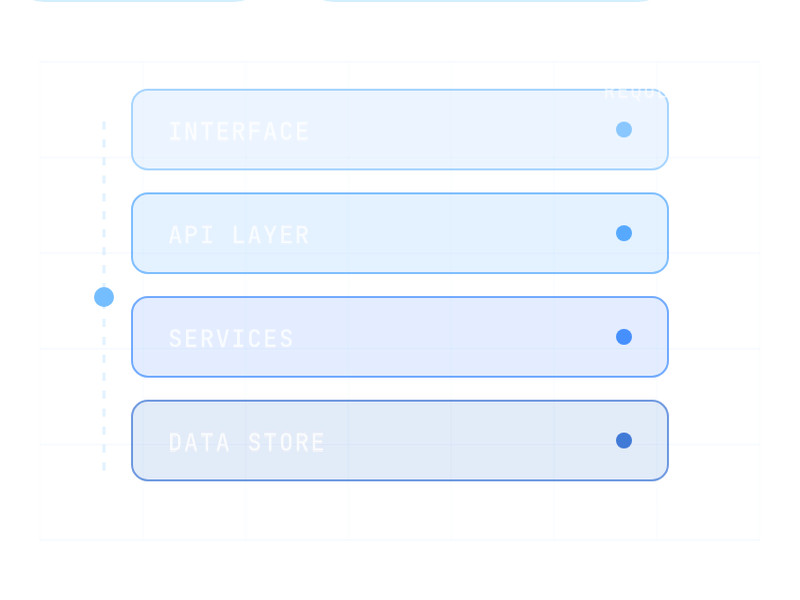
ERP, CRM, and SaaS at scale
Large-scale applications for complex business operations — ERP integrations that connect your accounting, HR, and inventory systems; CRM platforms with custom pipelines; multi-tenant SaaS applications. Designed for thousands of concurrent users with proper load balancing, caching, and database optimization.
Eliminate manual work, connect your tools
Workflow automation, API integrations, and system connections that reduce manual work and eliminate errors. Data pipeline automation, scheduled task processors, notification workflows, and middleware that connects legacy systems to modern platforms.
Infrastructure that auto-scales with demand
Cloud infrastructure on AWS, GCP, or Azure with proper DevOps practices and cost optimization. Docker containerization, Kubernetes orchestration, Terraform infrastructure-as-code, and CI/CD pipelines that automate your deployment workflow.
Data structures that perform at scale
Efficient database architecture, query optimization, and data modeling for high-performance applications. PostgreSQL, MongoDB, Redis, and Elasticsearch — chosen based on your data patterns, not framework defaults.
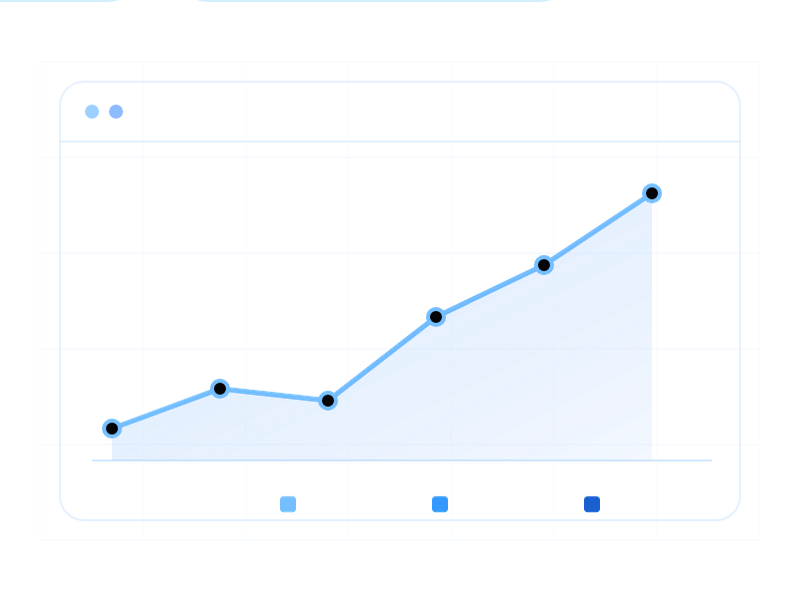
Migrate aging systems without breaking operations
Migrate aging systems to modern architectures with the old one running until the new one is proven, and without losing institutional knowledge. Incremental migration strategies, data preservation, and parallel running periods to ensure zero downtime during transition.
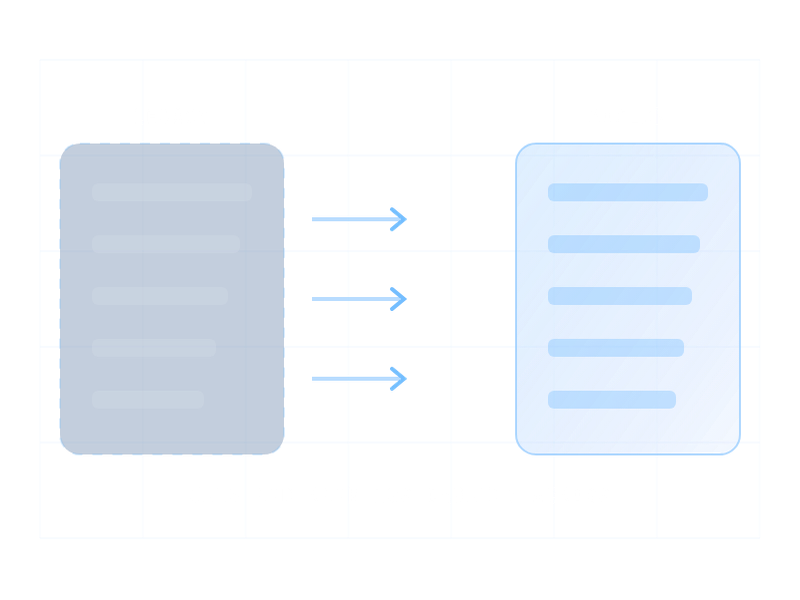
Custom Applications
Software built around your exact processes
Bespoke software solutions designed for your specific business processes, workflows, and operational requirements. CRM systems tailored to your sales process, inventory management tools that match your warehouse operations, client portals with role-based access, internal dashboards that pull data from multiple sources.
Enterprise Systems
ERP, CRM, and SaaS at scale
Large-scale applications for complex business operations — ERP integrations that connect your accounting, HR, and inventory systems; CRM platforms with custom pipelines; multi-tenant SaaS applications. Designed for thousands of concurrent users with proper load balancing, caching, and database optimization.
Automation & Integration
Eliminate manual work, connect your tools
Workflow automation, API integrations, and system connections that reduce manual work and eliminate errors. Data pipeline automation, scheduled task processors, notification workflows, and middleware that connects legacy systems to modern platforms.
Cloud Architecture
Infrastructure that auto-scales with demand
Cloud infrastructure on AWS, GCP, or Azure with proper DevOps practices and cost optimization. Docker containerization, Kubernetes orchestration, Terraform infrastructure-as-code, and CI/CD pipelines that automate your deployment workflow.
Database Design
Data structures that perform at scale
Efficient database architecture, query optimization, and data modeling for high-performance applications. PostgreSQL, MongoDB, Redis, and Elasticsearch — chosen based on your data patterns, not framework defaults.
Legacy Modernization
Migrate aging systems without breaking operations
Migrate aging systems to modern architectures with the old one running until the new one is proven, and without losing institutional knowledge. Incremental migration strategies, data preservation, and parallel running periods to ensure zero downtime during transition.
Software That Works for Years
Code that lasts
Not throwaway prototypes — production-grade software with proper error handling, logging, monitoring, and test coverage. Readable, maintainable, documented.
You own everything
Full source code, documentation, and IP rights transfer to you on project completion. No proprietary frameworks that tie you to us.
Requirements before code
We spend time understanding your business before writing a single line. Proper requirements prevent expensive mid-project changes.
Architecture that scales
Modular design, clean separation of concerns, and technology choices that grow with your business. No monolithic nightmares.
Testing is non-negotiable
Unit tests, integration tests, and end-to-end tests. Our code ships with automated test suites that catch regressions before they reach production.
You own all of it
Source, deployment pipeline, cloud accounts and data are in your name from the first commit. If you decide to move the work in-house or elsewhere, nothing is held back.
Build, buy, or configure something that already exists
The most valuable thing we do on a custom software project is occasionally talk a client out of one. If an off-the-shelf product covers ninety per cent of the requirement, the remaining ten per cent rarely justifies building and then maintaining the other ninety yourself. Custom earns its cost when the process is the business — when the way you do this specific thing is a reason customers choose you.
| Situation | Usually right | Why |
|---|---|---|
| Accounting, payroll, CRM, helpdesk | Buy | Solved problems with mature products; building competes with years of someone else's work |
| Standard process, unusual reporting | Buy and integrate | Keep the product, build the thin layer that makes it fit |
| A workflow specific to how you operate | Build | No product models it, and workarounds cost staff hours every day |
| Systems that cannot talk to each other | Build the integration only | Cheapest real fix, and it leaves both systems intact |
| A working system on ageing technology | Modernise in stages | Full rewrites fail more often than they succeed |
Requirements before code, and why we are strict about it
Most failed software projects were not badly built. They were built accurately to a description nobody had tested against reality. We spend the first phase writing down what happens today, step by step, including the parts people do manually and have stopped noticing. That document is usually the first time an organisation sees its own process in one place, and it routinely changes the brief.
It also protects you commercially. A fixed scope you can read is the only thing that makes a fixed price meaningful, and the only fair basis for deciding whether a mid-project request is a clarification or genuinely new work.
How we price it
Once the requirements document exists, most projects can be quoted as a fixed scope with milestones, because there is finally something concrete to price against. Where genuine unknowns remain — an undocumented legacy system, an integration with a partner who has not confirmed their API — we scope a short paid discovery to remove the unknown rather than pricing in a contingency you would be paying for either way.
What you own at the end
Source code, repository history, infrastructure accounts, database, documentation — all in your name, not ours. This matters more than it sounds. The most common trap in custom software is a system only its builder can change, which turns every future request into a negotiation with a single supplier.
We write the handover assuming someone else will maintain it, because eventually someone else will. If you take the work in-house later or move to another firm, nothing about our setup makes that harder. Where the same system needs a public front end, that sits on website development; where it needs process automation, see AI and automation.
How We Work
Week 0
We sit with the people who do the work today, including the spreadsheet everyone insists they do not use. The real process is never the documented one.
Week 1
We agree the smallest system that removes your most expensive manual step, and write down what version one is explicitly not going to do.
Weeks 2-6
Build in two-week blocks, each ending in something you can click. Priorities can change between blocks rather than inside them, which is what keeps the estimate honest.
Before rollout
Your team uses it against real data while the old process still runs. Nothing gets switched off until the new thing has survived a full cycle.
Rollout
Training for the people who use it, documentation for whoever maintains it, and the source and deployment sitting in your own accounts.
After
We change it as the business changes. Or your own developer picks it up — which is what all that documentation was for.
Tools We Use
Key Takeaways
Quick summary — everything you need to know about our Software Development service
- Custom software is scoped after requirements discovery — business automation tools, CRM systems, and enterprise platforms are estimated from actual workflows, integrations, and support needs.
- No per-user licensing fees — unlike Salesforce, HubSpot, or SAP, custom software you own outright. No recurring fees per seat that scale with your headcount.
- Our specialty: Custom CRM and ERP systems for Indian MSMEs — built to match your actual sales process, not a generic workflow that doesn't fit how your team works.
- Full tech stack: Node.js, Python (Django/Flask), React, PostgreSQL, MongoDB, Redis — with proper CI/CD, automated testing, and documentation included.
- Free requirements workshop available — a no-obligation 1-hour session to scope your project, estimate timeline and cost, and identify the right technical approach.
Common Questions
When should a business invest in custom software?
Custom software makes sense when off-the-shelf solutions don't fit your workflows, when you need competitive differentiation, or when you're scaling beyond what standard tools can handle. We help evaluate build vs. buy decisions based on your specific context.
How do you estimate software development projects?
We provide estimates based on detailed requirements analysis. For complex projects, we recommend a paid discovery phase to define scope accurately. Our estimates include development, testing, deployment, and knowledge transfer — no hidden costs.
Can you integrate with our existing systems?
Yes, integration is often the most valuable part of custom development. We build APIs, middleware, and connectors that tie your systems together — whether that's connecting CRM to ERP, automating data flows, or building unified dashboards.
What happens if requirements change during development?
Requirements always evolve. We use agile methodologies with regular check-ins so changes are caught early. We document change requests, assess impact on timeline and budget, and adjust plans transparently.
How do you handle intellectual property?
You own the code we write for you. We provide full source code, documentation, and knowledge transfer. Our standard contract clearly assigns all IP rights to you upon final payment.