MVP Development Services for Startups Ship in weeks, learn from real users, then build what matters
Most startups fail because they built too much before validating. We strip scope to the critical path, build fast, and get real users onto the product before the budget runs dry.
What you get, and what changes
An MVP is the smallest thing you can put in front of real users that will change your mind about something. We scope it around one user and one journey, then cut every role, dashboard, integration and edge case that does not serve that journey, because the version shipping in six weeks teaches you more than the version shipping in six months. You get working software on a domain or in a store, instrumented so you can see what people do rather than what they said they would do, and a codebase built to be extended instead of thrown away. Where the answer is that a landing page would test the idea before any code is written, we say that instead.
Our MVP Solutions Services
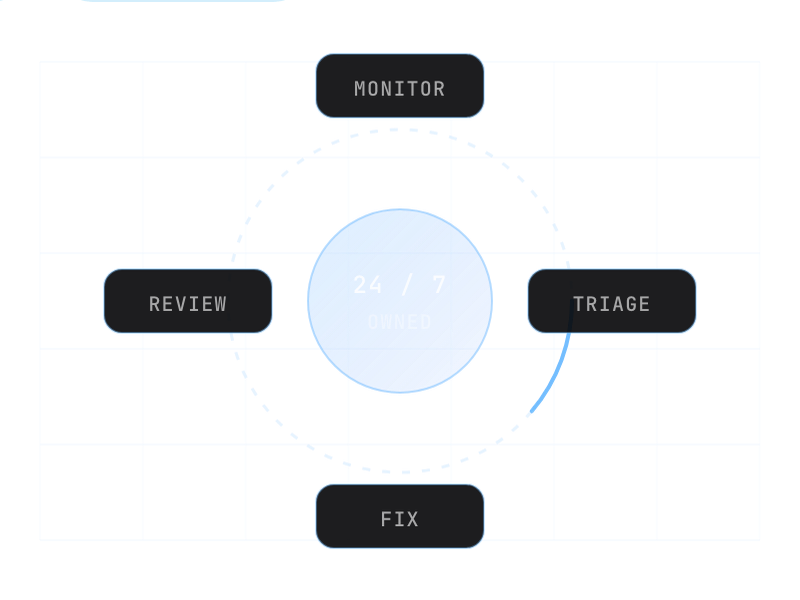
Separate must-haves from nice-to-haves, fast
Feature prioritization, user flow mapping, and scope clarity sessions that draw a clear line between MVP and post-launch features — before a single line of code is written. We help founders define the critical path and cut everything that doesn't prove the core assumption.
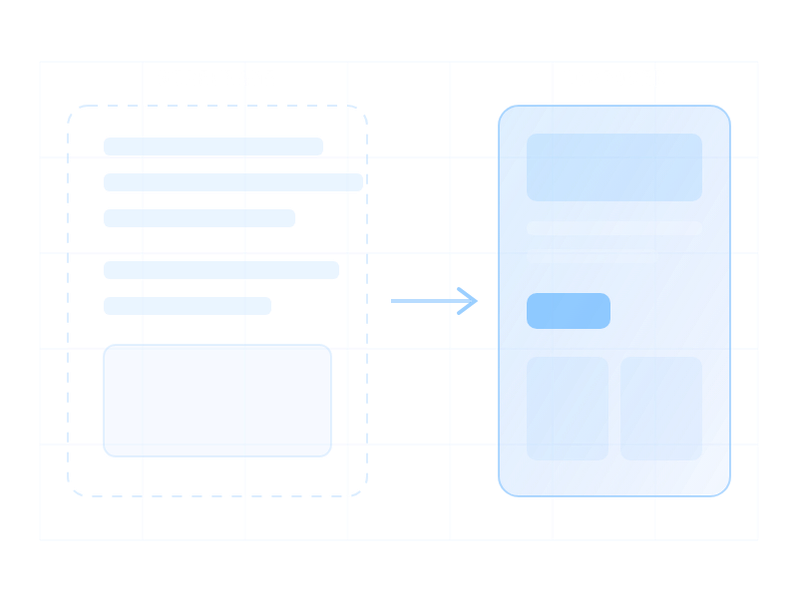
Test assumptions before committing to code
Low-fidelity prototypes and interactive wireframes tested with 3-5 target users before full development. Validate that your core workflow makes sense to real people and catches UX problems when they're cheap to fix.
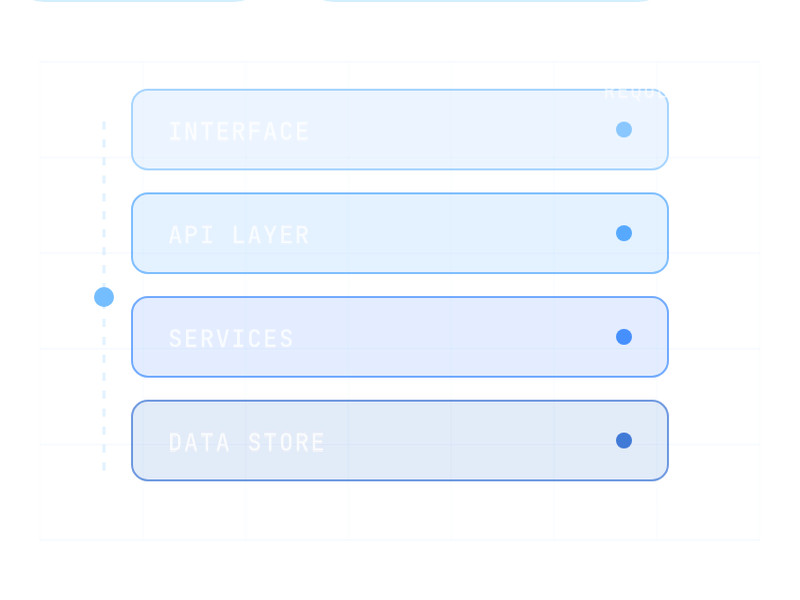
Production-ready, not prototype-fragile
React, Next.js, Astro, or React Native builds with production-ready backends. Deployed on Cloudflare, Vercel, or AWS — ready for real users from day one with proper error handling, authentication, and data security.
Convert sign-ups into active users
First-run experience flows, activation triggers, and retention hooks designed for the critical early weeks. The difference between an MVP that generates evidence and one that generates sign-ups who never come back.
Track what users do, not what they say
Mixpanel, PostHog, or GA4 setup from launch day. Track activation, retention, and feature usage so the next sprint builds on evidence, not assumptions. Quantitative data paired with qualitative feedback collection.
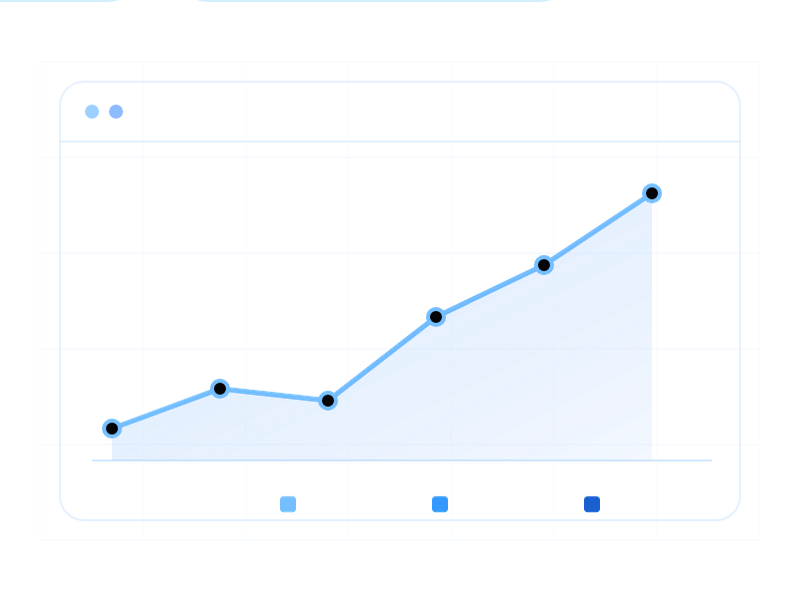
Build what the data tells you to build
Data-driven iteration sprints after launch. Feature refinement, user feedback integration, and roadmap guidance grounded in actual usage patterns — not guesses or feature requests from people who haven't used the product.
MVPs That Generate Evidence
Ruthless scope discipline
We help founders cut everything that doesn't prove the core assumption. The hardest part of MVP development is what you leave out.
Production-ready, not demo-fragile
Our MVPs deploy to production with proper authentication, error handling, and data security. Real users from day one, not demo-day prototypes that break under load.
Built Salevant.ai from MVP to scale
The early architecture that became Salevant.ai started as an MVP. Same discipline of shipping fast and iterating from evidence — now INC24-listed.
Validate before you build
Low-fidelity prototypes tested with real users before committing to development. Catch UX problems when they cost hours to fix, not weeks.
Analytics from launch day
Mixpanel, PostHog, or GA4 configured before deployment. Track activation, retention, and feature usage so your next sprint is grounded in data.
Post-launch iteration support
Data-driven sprint planning after launch based on what real users actually do — not roadmap guesses or feature requests from stakeholders.
How We Work
Scoping Sprint
1-2 day intensive session to map the core user problem, define the critical path, and draw a clear line between MVP and post-launch features.
Wireframe & Validate
Low-fidelity prototypes tested with 3-5 target users. Validate assumptions before committing to code.
Build Sprint 1
Core workflow development — the one flow your product must get right to prove its value. Deployable at end of week 2.
Build Sprint 2
Supporting features, onboarding polish, and integration work. Product becomes usable by real customers.
Launch & Instrument
Deploy to production with analytics, error tracking, and user feedback collection active from day one.
Learn & Iterate
Review user data after 2-4 weeks. Prioritize the next sprint based on what real users do, not what was assumed.
Tools We Use
Key Takeaways
Quick summary — everything you need to know about our MVP Solutions service
- 4-8 week delivery — from scoping to launch, with ruthless feature prioritization that keeps the timeline real and the scope defensible.
- Validation-first design — wireframes and prototypes tested with target users before development starts, so the build is grounded in evidence.
- Production-ready from day one — deployed on Cloudflare, Vercel, or AWS with analytics, error tracking, and user feedback loops active at launch.
- Post-launch iteration support — data-driven sprint planning based on actual user behavior, not roadmap guesses or feature requests.
- MVP engagements are scoped around the core assumption — web, mobile, and post-launch iteration plans are estimated after we identify the smallest useful product path.
Common Questions
What is included in an MVP engagement?
Scoping conversation, validated feature list, product wireframes or flows, development and launch, plus initial user feedback loops.
How long does an MVP take?
Typically 4-8 weeks depending on scope clarity and team availability. We bias toward speed and ruthless scope discipline.
What happens after the MVP launches?
We help with analytics setup, early user feedback collection, and a data-driven roadmap for the next phase. Product decisions are grounded in usage, not guesses.
Can you help with fundraising or pitch decks?
We focus on the product, not the pitch. But a working MVP with real user data is the strongest argument any founder can bring to an investor meeting.
What tech stack do you recommend for MVPs?
It depends on the product. For web apps: Next.js or Astro with Supabase. For mobile: React Native or Flutter. For internal tools: low-code or no-code where speed matters more than custom infrastructure.